

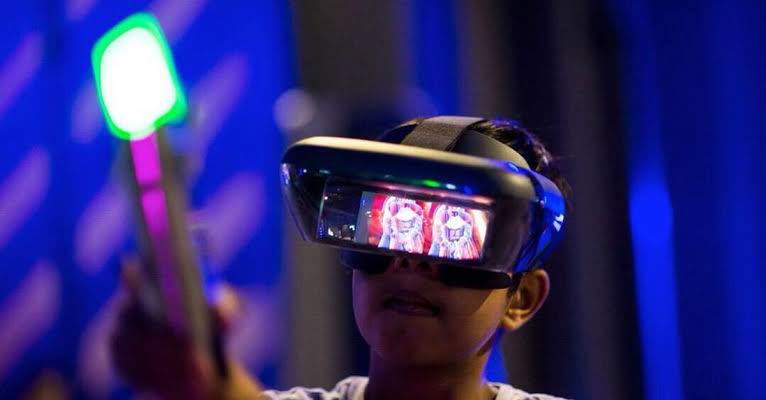
Technology has fundamentally reshaped the way people experience entertainment. From streaming platforms and online gaming to virtual concerts and immersive digital experiences, innovation has made entertainment more accessible, engaging, and personalized than ever before. As audiences continue to embrace new technologies, the entertainment industry evolves alongside changing consumer expectations. For readers interested in exploring digital entertainment platforms, https://luxury12a5.com/ offers one example of an online destination in this growing space.
The Digital Transformation of Entertainment
Over the past two decades, entertainment has undergone a remarkable transformation. Traditional forms of media, such as broadcast television, DVDs, and physical music collections, have gradually given way to digital platforms. Today, audiences can watch movies, listen to music, read books, or play games using internet-connected devices from virtually anywhere.
This shift has eliminated many geographical and physical limitations, giving users instant access to extensive libraries of content. Smartphones, tablets, smart TVs, and gaming consoles have become central hubs for entertainment, making it easier than ever to enjoy favorite content whenever convenient.
Streaming Services Have Changed Viewing Habits
Streaming technology has revolutionized how people consume movies, television shows, and documentaries. Rather than following fixed broadcast schedules, viewers can now watch content on demand.
This flexibility has encouraged binge-watching, personalized recommendations, and greater viewer control over entertainment choices. Advanced recommendation algorithms analyze user preferences, helping audiences discover new shows and films that match their interests.
Content creators also benefit from streaming platforms because they can reach global audiences without relying solely on traditional television networks or physical distribution channels.
Artificial Intelligence Enhances User Experience
Artificial intelligence has become an essential component of modern entertainment. AI-powered systems help personalize recommendations by analyzing viewing history, listening habits, and user preferences.
Music streaming services use AI to generate playlists tailored to individual tastes, while video platforms suggest movies or series based on previous selections. These intelligent systems continue learning over time, providing increasingly accurate recommendations.
AI also assists content creators by improving video editing, visual effects, animation, and audio production. Automated tools reduce production time while maintaining high creative standards.
Gaming Has Entered a New Era
The gaming industry has experienced extraordinary growth due to technological innovation. Modern games feature realistic graphics, advanced physics, intelligent non-player characters, and expansive online multiplayer environments.
Cloud gaming services allow players to access high-quality games without expensive hardware. Instead of downloading massive files, users can stream games directly over high-speed internet connections.
Cross-platform compatibility further enhances accessibility, enabling friends using different devices to play together seamlessly.
Competitive gaming, commonly known as esports, has also emerged as a global entertainment phenomenon, attracting millions of viewers through live tournaments and streaming platforms.
Virtual Reality and Augmented Reality
Virtual Reality (VR) and Augmented Reality (AR) are transforming entertainment by creating immersive experiences.
VR places users inside fully digital environments where they can explore interactive worlds, attend virtual concerts, or participate in realistic simulations. Meanwhile, AR blends digital elements with the real world, creating engaging experiences through smartphones or specialized headsets.
These technologies continue expanding into education, tourism, sports, and live entertainment, offering experiences that were previously impossible.
Social Media and Entertainment
Social media has become one of the most influential entertainment platforms in the digital age. Millions of creators share videos, live broadcasts, podcasts, tutorials, comedy, music, and educational content every day.
Unlike traditional media, social platforms encourage interaction between creators and audiences through comments, live chats, and community discussions. This direct engagement builds stronger relationships and allows creators to receive immediate feedback.
Short-form video content has become especially popular, providing quick, engaging entertainment that fits modern lifestyles.
Music Industry Innovation
Technology has dramatically changed how music is created, distributed, and consumed.
Artists can now record professional-quality music using advanced software from home studios. Digital distribution allows independent musicians to publish songs worldwide without major record labels.
Streaming services have expanded listener access to virtually every music genre imaginable. Personalized playlists, algorithm-driven recommendations, and curated collections help listeners discover emerging artists from around the world.
Live performances have also evolved through online streaming, allowing fans to attend virtual concerts regardless of location.
The Rise of Smart Devices
Smart devices have made entertainment available throughout the home. Smart televisions integrate streaming platforms directly into their operating systems, while voice assistants allow users to control media using simple spoken commands.
Wearable devices, wireless headphones, and smart speakers further enhance convenience by delivering entertainment across multiple environments.
As the Internet of Things continues developing, connected devices will become even more integrated into daily entertainment experiences.
Cloud Technology Expands Accessibility
Cloud computing has significantly improved entertainment services by reducing hardware limitations and increasing accessibility.
Movies, music, games, and personal media libraries can now be stored securely online and accessed across multiple devices. Users no longer need extensive local storage to enjoy high-quality content.
Cloud infrastructure also enables collaborative creative projects, allowing filmmakers, musicians, designers, and editors to work together remotely with greater efficiency.
Interactive Entertainment Continues to Grow
Modern audiences increasingly seek interactive experiences rather than passive consumption.
Interactive storytelling allows viewers to influence plot outcomes, while live streaming platforms enable real-time communication between creators and audiences. Online communities further enhance engagement through discussions, fan content, and collaborative experiences.
These innovations encourage greater participation and create stronger emotional connections between audiences and entertainment platforms.
Improved Content Creation Tools
Professional-quality production equipment has become more affordable and accessible than ever before.
High-resolution cameras, editing software, animation tools, and audio production applications enable independent creators to produce impressive content with relatively modest budgets.
As barriers to entry decrease, diverse voices and creative perspectives continue enriching the entertainment landscape.
Data Analytics Shapes Future Content
Entertainment companies increasingly rely on data analytics to understand audience preferences.
Viewing patterns, user engagement, demographic information, and feedback help producers make informed decisions about future projects. While creative storytelling remains essential, analytical insights improve content planning and audience satisfaction.
Responsible use of consumer data remains equally important, requiring companies to maintain transparency and prioritize user privacy.
Challenges Accompany Technological Growth
Despite its many advantages, technology also presents challenges for the entertainment industry.
Content piracy continues affecting creators and distributors. Privacy concerns require stronger cybersecurity measures, while misinformation and deepfake technology present new ethical questions.
Screen time management has also become an important consideration as digital entertainment becomes increasingly integrated into everyday life. Encouraging balanced technology use helps maintain healthy habits while enjoying digital experiences.
Looking Ahead
Emerging technologies such as artificial intelligence, extended reality, faster internet connectivity, and advanced graphics processing will continue shaping the future of entertainment.
Personalized experiences, immersive storytelling, and interactive digital environments are expected to become increasingly sophisticated. As innovation accelerates, audiences will likely enjoy entertainment experiences that combine creativity with cutting-edge technology in exciting new ways.
Conclusion
Technology has permanently transformed modern entertainment by improving accessibility, personalization, creativity, and user engagement. From streaming services and online gaming to virtual reality and artificial intelligence, innovation continues redefining how people discover and enjoy content. As digital technologies evolve, the entertainment industry will continue adapting to meet changing audience expectations while creating richer, more immersive experiences for people around the world.
