

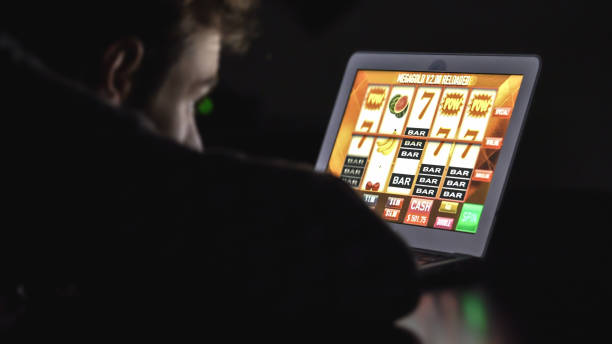
A reel begins to move. Symbols pass across the screen. A flash of light marks a change, a short sound signals another event, and the interface responds almost instantly. What looks like a simple spin is actually supported by several layers of visual, audio, and technical design working together.
Modern online slots are no longer presented as basic digital versions of mechanical machines. Many now use animated themes, responsive controls, detailed symbols, changing backgrounds, character reactions, and carefully timed sound effects to create a fuller digital experience.
At the same time, regulated online slots operate within technical requirements that cover matters such as random result generation, game information, testing, and product design. In regulated markets such as Great Britain, remote gambling software must meet technical standards covering areas including game results, random outcomes, security, and responsible product design.
Understanding the modern slot experience therefore means looking beyond the spinning reels. The real story is in how design, technology, timing, and clear feedback work together.
The Spin Remains the Centre of the Experience
For all the visual changes made to online slots, the spin remains one of the most familiar actions. It gives the player an immediate way to interact with the interface.
Familiar Mechanics Make the Screen Easy to Read
The basic sequence is straightforward: an action starts the game cycle, the reels move, and the result appears on screen.
This familiar structure gives developers a stable foundation. Instead of constantly changing how players control the game, they can concentrate on presentation around that central action.
The surrounding elements may include:
- Animated symbols
- Moving backgrounds
- Short audio cues
- Character reactions
- Changing interface states
- Clearly displayed information
- Different visual themes
The mechanic remains recognisable even when everything around it looks different.
This is one reason modern slot titles can vary widely in appearance while still remaining easy to understand.
Visual Design Makes the Reel Area Feel More Active
Online slots are strongly visual forms of digital entertainment. The way symbols, backgrounds, and interface elements are presented can affect the entire feel of a session.
Symbols Have Become Part of the Creative Identity
Symbols are no longer limited to simple static icons.
They can use detailed illustrations, animated frames, glowing effects, short movements, or themed artwork that fits the broader visual concept.
One title may use animals and natural scenery. Another may feature futuristic objects, food illustrations, historical imagery, fantasy characters, or cartoon-inspired artwork.
A visual theme can influence far more than the reels themselves. It may also shape:
- Fonts
- Buttons
- Loading screens
- Background objects
- Menus
- Character styling
- Screen transitions
When these elements share the same artistic direction, the interface feels like one complete visual environment rather than a collection of unrelated controls.
Animation Turns Small Actions Into Noticeable Moments
Movement is one of the clearest differences between static digital interfaces and modern interactive entertainment.
Short Reactions Help the Screen Communicate
Animation can show that something has happened before the user even reads any accompanying information.
A symbol might briefly light up. A counter may move. A character could react. A background object may change position.
The purpose is not necessarily to make every part of the screen move at once. Effective animation is often brief and focused.
Developers can use movement to distinguish:
- The beginning of a spin
- The end of a reel sequence
- A symbol reaction
- A menu selection
- A change in screen state
- An update to displayed information
These responses make the interface feel less static while helping actions remain visually clear.
Sound Gives the Screen Its Rhythm
Visual effects attract attention, but sound often gives those effects their timing.
A modern slot interface can combine music, reel sounds, button feedback, short tones, and other audio elements.
Different Sounds Can Mark Different Events
A spin does not necessarily sound the same as a menu action. Likewise, a symbol animation may receive a different audio cue from a normal reel stop.
This variety makes it easier to separate one event from another.
Audio may also support the visual theme. A game inspired by an ancient setting may use instruments that suit that artistic direction, while a futuristic interface might rely more heavily on electronic sounds.
When visual and audio choices support the same concept, the screen develops a clearer personality.
Flash Effects Draw Attention to Screen Changes
Light, color shifts, and brief flashes are common tools in digital interface design.
Within online slots, these effects can help identify an event quickly.
Visual Contrast Makes Change Easier to Notice
A bright border around a symbol can make it stand out from the rest of the reels. A temporary change in background lighting can indicate that the interface has entered another visual state.
These effects work because they create contrast.
If every object remains visually identical throughout a session, changes can be harder to notice. If one element briefly changes color or brightness, the user can identify it immediately.
The strongest visual feedback tends to be selective rather than constant.
Responsive Interfaces Make Each Action Feel Immediate
Modern digital users expect an interface to react when they touch or click something.
Slots follow the same broader principle.
Buttons Need to Show That an Action Has Been Registered
A button may change appearance after being selected. A menu can slide into view. A setting may receive a highlighted state.
These are relatively small details, but they make interaction clearer.
Common forms of interface feedback include:
- Button highlighting
- Animated counters
- Menu transitions
- Selected-option indicators
- Short sound cues
- Symbol movement
- Changing text states
Sites such as bandot88.net sit within the wider online gaming space where players encounter this combination of familiar game controls and responsive digital interface design.
The important point is that responsiveness is not limited to entertainment. It is also a usability principle. Users need clear confirmation that their input has been received.
Random Results Sit Behind the Visual Presentation
Bright graphics and animated reels are the visible side of an online slot, but result generation happens behind the interface.
Regulated Games Use Tested Result Systems
In regulated gambling markets, online slot results are subject to technical rules rather than being determined by visual animation.
For example, the UK Gambling Commission requires relevant random number generators to produce results that are acceptably random and unpredictable. The Commission also requires game test reports and RNG test results for applicable remote gambling systems.
This distinction matters.
The animation communicates the result visually, but it should not be mistaken for the mechanism that creates the outcome.
A spinning reel animation is therefore part of presentation. The underlying result system operates according to the technical structure of the game.
Modern Slots Also Need Clear Game Information
Creative presentation works best when users can still understand what is happening.
Design Has to Balance Entertainment With Clarity
A highly decorated screen can still provide clear information if the interface is organised properly.
Important information should remain readable rather than becoming lost behind graphics.
Regulated remote gaming standards can include requirements concerning game descriptions, rules, result determination, transaction information, and other player-facing details.
From a design perspective, this creates an interesting challenge.
Developers may want rich animation and colorful themes, but they also need the interface to communicate essential information clearly.
The most effective screens usually establish a visual hierarchy in which the reels remain central while controls and information stay easy to locate.
Mobile Screens Have Changed Slot Design
Online gaming is no longer tied to desktop displays.
Phones and tablets have pushed developers toward layouts that can adapt to smaller screens and touch controls.
Compact Displays Require Stronger Visual Priorities
On a phone, there is simply less room.
Buttons need enough space for touch input. Symbols must remain readable. Menus cannot cover important parts of the screen unnecessarily.
This often encourages a more focused layout.
Mobile-oriented interfaces may use:
- Larger buttons
- Compact menus
- Clearly separated controls
- Larger symbol artwork
- Reduced decorative clutter
- Focused reel animations
The background can still contain detail, but the primary interaction area needs to remain clear.
Screen Orientation Can Affect Layout
A game may also need to account for portrait and landscape viewing.
Interface elements can shift position according to available space, allowing the central game area to remain readable.
This adaptive approach is common across modern digital products, and online gaming interfaces have followed the same broader direction.
Characters Give Slot Themes More Personality
Not every online slot uses characters, but those that do can create stronger visual continuity.
Reactions Connect Different Screen Events
A recurring character can appear near the reels, within the background, or during short animated sequences.
Its reactions may change depending on what is happening.
A character could:
- Point toward the reel area
- Change facial expression
- Move between locations
- Appear during transitions
- React to a visual event
- Introduce another screen state
This gives developers a way to connect separate animations through one recognisable visual element.
Characters can also help reinforce the theme without requiring additional text.
Backgrounds Are Becoming More Active
Older digital interfaces often treated backgrounds as decoration.
Modern slots may use them more actively.
Environmental Changes Add Visual Variety
A background can shift lighting, introduce movement, change scenery, or display animated objects.
For example, clouds might move across a scene, lights may change gradually, or objects may react when the reels stop.
These are usually secondary effects. The reels still need to remain the main focus.
However, subtle environmental movement can prevent the screen from feeling frozen between interactions.
Pacing Matters as Much as Visual Detail
A lively experience does not require constant flashes or movement.
In fact, contrast often makes animation easier to appreciate.
Quieter Moments Give Stronger Effects More Impact
If everything on the screen moves continuously, individual reactions can become difficult to distinguish.
Modern interface design can instead alternate between relatively calm moments and more noticeable visual responses.
This creates a rhythm:
- The screen waits for input.
- The user starts an action.
- Motion begins.
- The reels settle.
- Specific elements react.
- The interface returns to a calmer state.
That rise and fall in activity makes individual effects easier to notice.
Regulation Can Influence Game Design Choices
Online slot design is not shaped only by creativity and technology. Rules in regulated markets can influence how games behave.
Some Markets Place Limits on Certain Features
Great Britain provides a clear example. The Gambling Commission has introduced requirements affecting online slot product design, including restrictions on autoplay and features that increase the speed of play. Its standards also address visual or audio presentations that could misrepresent certain outcomes.
These requirements show that slot design is not simply a question of adding as many reactions as possible.
Developers operating in regulated environments also have to consider technical standards, transparency, security, and responsible product design.
That makes modern slot production a combination of creative work and technical compliance.
Security Sits Quietly Behind the Interface
Players usually notice artwork and controls first, while security systems remain largely invisible.
Yet they form an important part of regulated remote gaming infrastructure.
The Interface Is Only the Front Layer
Behind the screen can sit systems responsible for account data, authentication, transaction information, game results, and other technical processes.
The UK Gambling Commission’s current remote technical framework includes security requirements based on relevant portions of ISO/IEC 27001:2022 for critical systems used by regulated operators.
This highlights how much modern online gaming depends on infrastructure that users rarely see directly.
The flashing symbols are only the visible layer of a much larger technical system.
The Modern Slot Experience Is Built From Many Small Details
No single animation, sound, or visual theme defines a modern slot.
The overall impression comes from how multiple elements work together.
Coordination Is More Important Than Quantity
A screen can contain dozens of effects and still feel disorganised if they do not support one another.
A stronger experience usually has consistency.
The symbol artwork matches the background. The sound supports the theme. The buttons use the same visual language. Animation appears at understandable moments.
This coordination helps create a clear identity.
It also explains why two games with similar basic mechanics can feel completely different.
Simple Mechanics Still Leave Plenty of Creative Space
The central mechanics of slot games are generally easy to recognise, but that simplicity gives artists and interface developers considerable room to work.
Presentation Can Change Without Rebuilding the Core Idea
Developers can vary:
- Themes
- Symbol styles
- Background environments
- Audio
- Animation
- Character behavior
- Interface layouts
- Mobile presentation
The result is a large amount of visual variation built around a relatively familiar interaction model.
That relationship between simplicity and presentation is central to the modern slot format.
Conclusion
The modern online slot experience is built from far more than spinning reels.
A single game cycle can involve motion, sound, lighting, symbol reactions, interface feedback, and changing background elements. Behind those visible effects sit technical systems responsible for result generation, information display, security, and other functions.
The most interesting part is how these layers work together. The spin provides the familiar mechanic. Animation gives it movement. Sound creates rhythm. Responsive controls provide feedback. Themes and characters give the interface personality.
At the same time, regulated markets place technical and product-design requirements around how online slot games operate and communicate information.
That combination of creative presentation, responsive technology, and structured game systems explains why the modern slot screen can feel much more active than its basic mechanics might suggest.
Spin, flash, react: each action may last only a few moments, but the experience behind it involves a much larger piece of digital design.
