

When a cat suddenly stops using the litter box, the instinct is to assume a behavior problem, a grudge, or plain stubbornness. In reality, avoidance is usually a communication signal. Something about the setup feels wrong, and the cat is telling you in the only way available. The good news is that most avoidance has a practical cause you can identify and correct, often within days.
This guide covers the most common reasons cats turn away from a box, how to read the clues, and the order in which to test fixes. It focuses on environment and equipment rather than scolding, because punishment almost always makes the problem worse. If you have tried everything and the issue persists, the final section covers when to involve a veterinarian, since some avoidance is medical rather than behavioral.
The Clues Your Cat Leaves Behind
Where your cat eliminates instead of the box is a diagnostic clue. Urine on soft surfaces such as beds or rugs often points to a surface preference, meaning the litter itself feels unpleasant. Waste deposited right beside the box suggests the box is the problem but the location is fine. In a home with several cats, a single cat avoiding one box usually indicates resource guarding or a crowded setup.
Watch the approach as well. A cat that steps in, scratches briefly, then leaves may dislike the texture or depth. One that goes in, turns, and exits repeatedly is often searching for a cleaner area within the box. If your cat vocalizes or strains during use, stop adjusting equipment and consider a vet visit first, because discomfort during elimination is a medical symptom.
Five Causes You Can Fix This Week
Most avoidance traces back to a short list of solvable problems. Work through them in this order, changing one thing at a time so you can see what made the difference.
Cleanliness and Litter Depth
A box that carries an old odor will be avoided even if the surface looks clean. Deep clean the empty pan with a mild, unscented soap, dry it fully, and refill with fresh litter. Cats also prefer a consistent depth, roughly deep enough to dig without hitting the floor. If the current level is thin, raise it; if the box is so full that clumps touch the sides, lower it slightly.
Litter Type and Scent
Switching liter often triggers avoidance. Cats develop strong preferences for texture and particle size, and heavily scented formulas can overwhelm sensitive noses. If you recently changed brands, revert to the previous one and keep it stable. When you do need to change, blend the old and new gradually over a week or two rather than swapping overnight.
Box Size and Entry Height
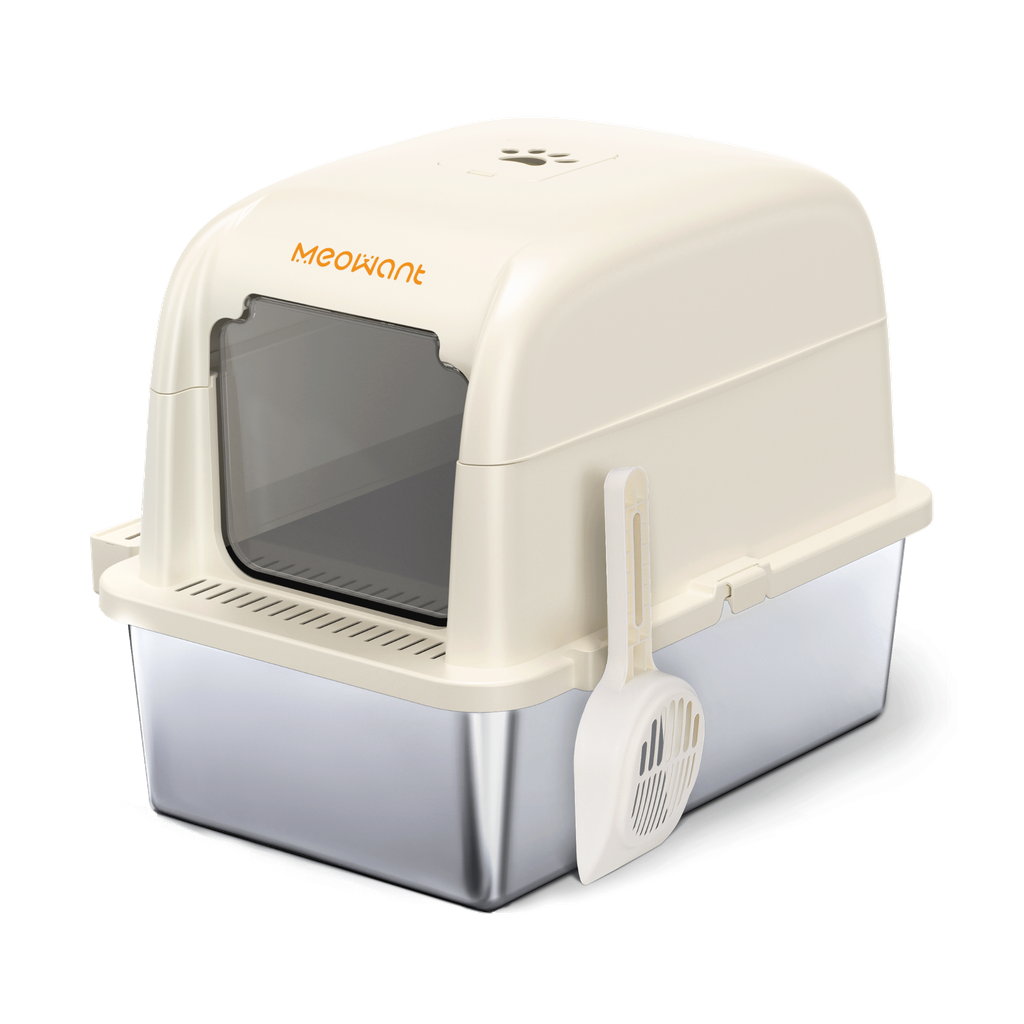
An undersized pan is one of the most overlooked culprits. If your cat looks cramped while turning, or has to crouch to fit, upgrade to a larger cat litter box that allows a full turn. For older cats, harnessed cats, or kittens, a high wall can be a blockade; a low-front entry solves the problem without sacrificing side height.
Placement and Traffic
A box beside a boiler room, behind a door that swings open, or near a noisy dryer can be avoided simply because it is stressful to use. Move it to a quiet spot with an escape route and some visual privacy. In multi-cat homes, ensure no single box sits on a dead-end path where a cat can be cornered by a housemate.
Box Condition and Age
Old boxes fail in ways that are easy to miss. The plastic scratches, and those scratches trap odor that no cleaning removes. The base may flex or develop hairline cracks, and the lid may no longer seat properly. If your box is more than a year old and heavily used, or if the surface feels rough to the touch, replacing it can resolve avoidance faster than any adjustment. A fresh, clean box is often the most persuasive fix of all.
Number of Boxes
The common guideline of one box per cat plus one extra is not arbitrary. Cats are territorial about elimination space, and sharing can force the least confident cat to eliminate elsewhere. Adding a second box in a different room often resolves avoidance faster than any other single change.

Reading the Pattern Before You Change Anything
Before you start changing equipment, spend a day or two noting the pattern. Record where the accidents happen, when they occur, and what your cat does right before. A problem that only appears when a specific housemate is home points to stress. Accidents near the box but not in it point to the litter or the box condition. Accidents in quiet corners on soft material often indicate a surface preference and a need for different litter.
It also helps to review what changed in the weeks before the avoidance began. A new litter brand, a moved box, a shifted piece of furniture, a new pet, or even a change in work schedule can be the trigger. Cats are creatures of routine, and small environmental shifts that seem trivial to us can feel significant to them. If you can trace the avoidance to a specific change, undoing or softening that change is often the fastest fix of all.
Finally, rule out pain early. A cat that strains, vocalizes, produces small amounts of urine, or avoids the box after previously using it reliably may be experiencing discomfort such as urinary crystals or a bladder issue. In those cases, no amount of cleaning or repositioning will help. A veterinarian visit should come first, and the fixes below should follow only after medical causes are cleared.
Making the New Setup Stick
Once you have found a change that works, the goal is to make it permanent rather than a temporary fix. Keep the box in its new spot, maintain the litter you settled on, and resist the urge to rearrange the room right after a success. Cats build a mental map of their territory, and steady surroundings let them relax into the new routine.
If your cat used the box correctly for a while and then slipped again, look for a recent change rather than assuming the original fix failed. A subtle shift in the household is often enough to trigger a relapse, and catching it early makes correction much easier. Keep a few days of extra attention in reserve, and clean accidents promptly with an enzyme cleaner so the old spot does not become a habit.
For a cat that has avoided the box for a long stretch, a gradual reintroduction helps. Confine the cat to a small, quiet room with the box and everything else they need for a few days, then widen their access as they reliably use the pan. This rebuilds trust in the box without giving the cat a chance to rehearse accidents elsewhere. Add a second box before you expand access to new rooms, so no floor goes without a nearby option.
When Cleanliness and Size Are Not Enough
Sometimes the equipment is fine and the cause is environmental stress. A new pet, a move, remodeling noise, or a visiting relative can unsettle a cat and disrupt routines. In these cases, keep everything predictable, restrict the household to a quiet area, and give the cat a stable daily rhythm of feeding and play. Avoid introducing another change to the litter setup while the cat is already stressed.
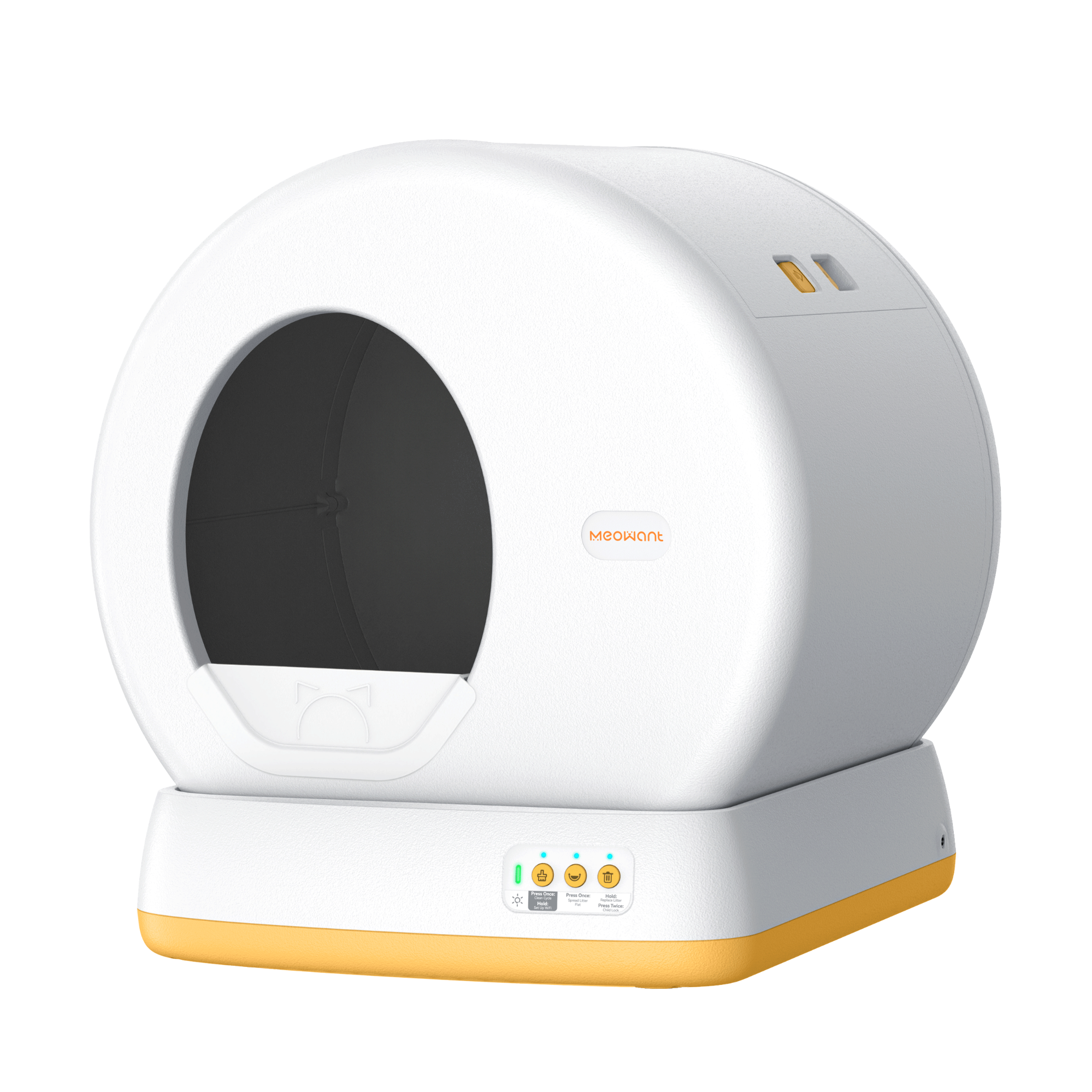
Design can reduce friction where the problem is maintenance rather than behavior. A self-cleaning model from Meowant keeps the surface fresh between scoopings, which helps in busy homes where a soiled box sits for hours. The key is to pair that convenience with a consistent routine: empty the waste drawer, wipe the interior, and confirm the unit is running reliably. Convenience supports good habits; it does not replace them.
Stress-related avoidance rarely resolves on its own, but it does respond to consistency. Feed, play, and set out the box at the same times each day, and give the cat a reliable routine they can predict. Add vertical space, such as a shelf or cat tree near the box area, so a nervous cat can observe the room without being cornered. These changes cost little and often do more than any single product, because they lower the anxiety that fuels the behavior.
If avoidance continues after a week of careful changes, stop guessing and seek help. Your veterinarian can rule out urinary tract issues, crystals, arthritis, or other conditions that make elimination painful. A cat that associates the box with pain will avoid it no matter how well the equipment performs, and medical treatment often resolves the behavior once the discomfort is treated.
Listening Is the First Fix
Litter box avoidance is rarely about attitude. It is a signal that something in the environment feels wrong, and the clues your cat leaves behind point to what that something is. Clean the box properly, confirm the litter matches your cat’s preference, check that the size and entry suit their body, and give them a quiet place to use it. Change one factor at a time so the effect is clear, and involve a vet without delay when discomfort is possible. Patience and observation solve far more cases than any single product ever will.
